26 May 2026
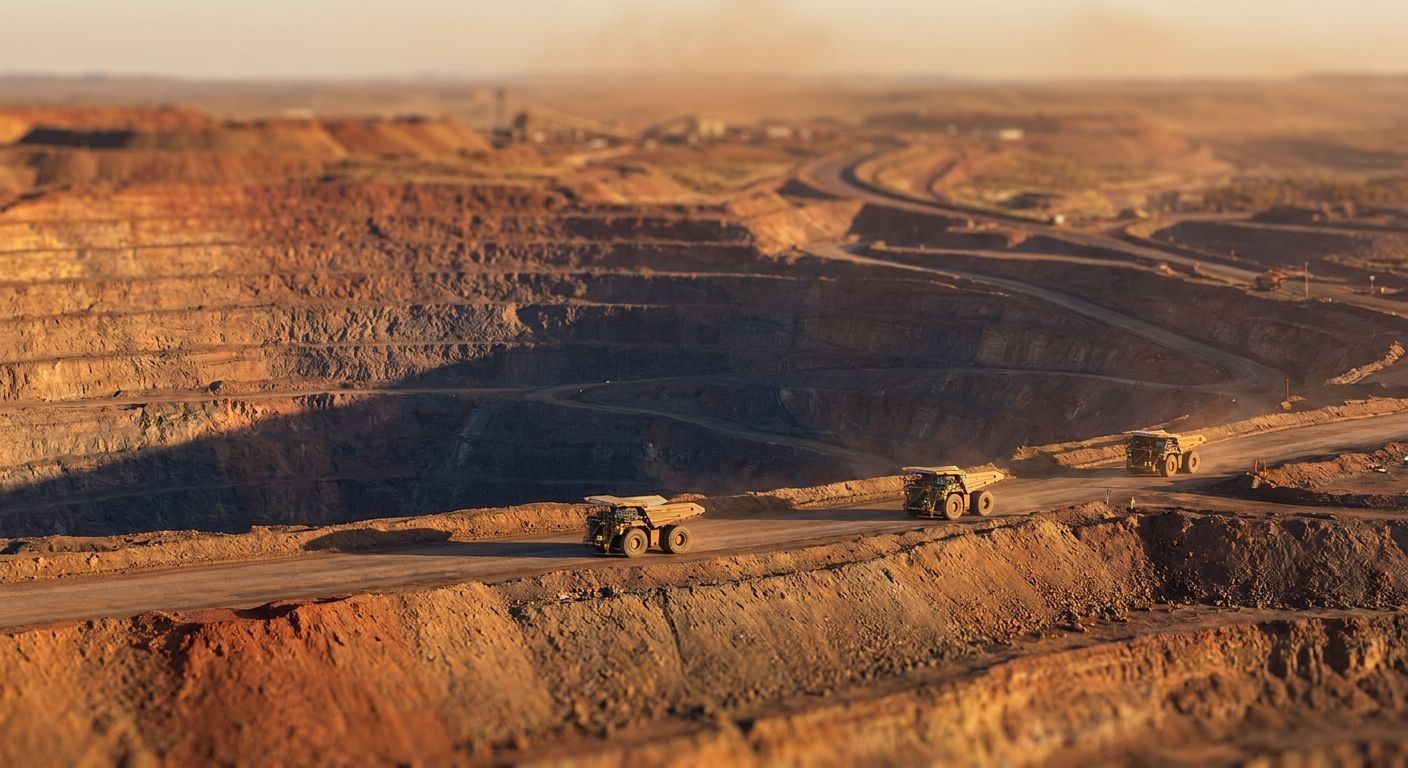
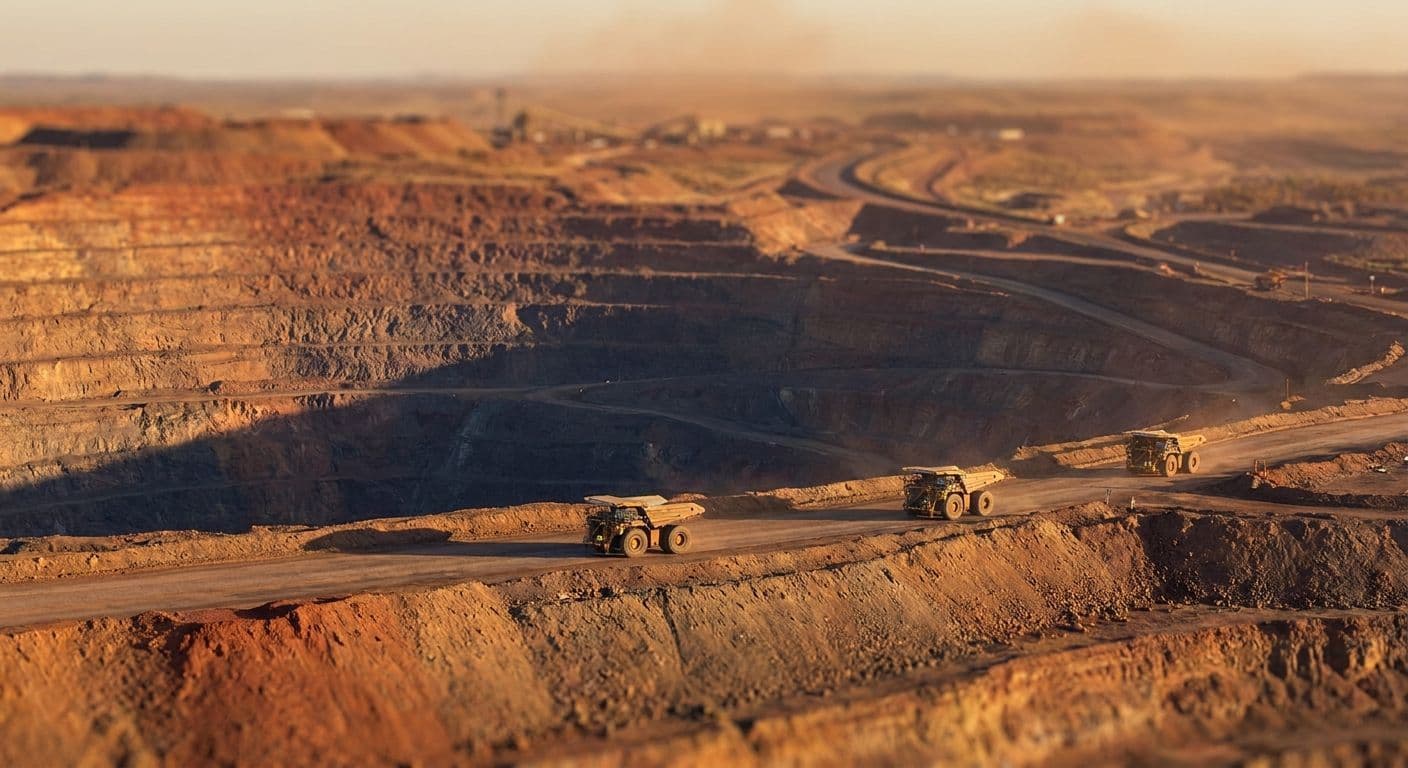
Western Australia's economy and its land are closely tied to mining. Where exploration or mining tenements overlap with private land or pastoral leases, the law sets out how access is negotiated and how landholders are compensated — and clear agreements benefit everyone involved.
Access and the landholder's position
Holding a tenement does not give an automatic, unconditional right to do anything, anywhere. Depending on the land and the activity, an explorer or miner may need the landholder's agreement or have to follow a statutory process before entering and carrying out work. Landholders have a genuine role in setting reasonable conditions.
What an access agreement should cover
A good access agreement deals with the practical realities: where and when access can occur, how land and infrastructure are protected, rehabilitation obligations, insurance and liability, notice requirements, and how compensation is calculated and paid.
Key issues are:
- Scope, location, and timing of access.
- Protection of land, water, stock, and infrastructure.
- Rehabilitation and make-good obligations.
- Compensation, insurance, and dispute resolution.
Compensation
Compensation is intended to address the effect of mining activity on the land and its use — for example loss of use, damage, and disruption. Reaching a fair, well-documented agreement up front avoids drawn-out disputes and gives both the landholder and the miner certainty.
Laws change and every situation is different — please contact KD Legal for advice tailored to your circumstances.